Remote online notarization for insurance claims and total loss power of attorney
ENotary gives claims teams remote online notarization for the documents that stall a settlement: the power of attorney that lets you transfer a total loss vehicle, the affidavit of theft, the lost title affidavit and the sworn statement a claimant cannot get to a bank branch to sign. The claimant joins from a phone, passes identity checks, signs on video with a commissioned notary, and the sealed PDF and audit trail land in the claim file. Plans start at 119 USD a month with sessions included.
The short answer for claims teams
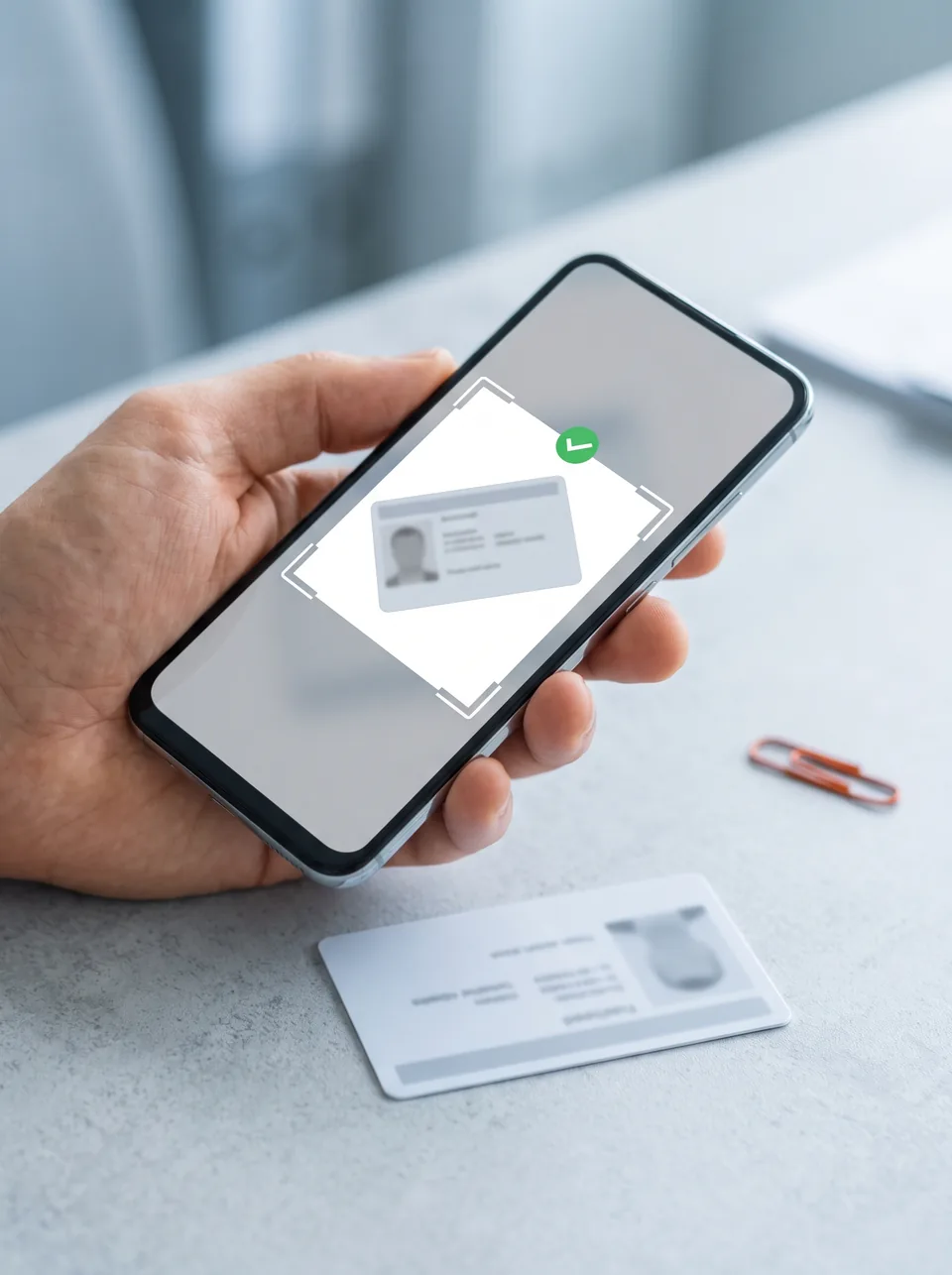
Remote online notarization (RON) lets a claimant sign a notarized document from anywhere in the US, on a recorded video call with a commissioned online notary, instead of driving to a notary and mailing the original back. For auto claims the biggest use is the total loss power of attorney, which authorizes the carrier or its salvage vendor to sign the vehicle title. Before you switch a document to RON, confirm that the state titling agency or the receiving party accepts an electronically notarized version, because rules for vehicle paperwork vary by state.
Send the next total loss packet today
Business includes 12 network notary sessions a month, each with up to 4 signers and 10 documents, for 299 USD or 149 USD per month billed yearly.
Insurance claim documents that commonly need a notary
Which documents need a notarial act depends on the carrier's own forms and the state involved. These are the ones claims, salvage and subrogation teams send for notarization most often.
| Claim type | Document | Who signs | Why it is notarized |
|---|---|---|---|
| Auto total loss | Limited or secure power of attorney for the vehicle title | Each owner on the title | The titling agency asks for a notarized authorization to sign the title for the owner |
| Auto total loss | Lien release or payoff authorization | Lienholder or owner | Some states require the release signature to be acknowledged |
| Auto total loss | Lost or duplicate title affidavit | Owner | Owner swears the title is lost so a replacement can be issued |
| Vehicle theft | Affidavit of vehicle theft | Insured | Carrier requires a sworn statement before paying a theft claim |
| Property and contents | Sworn proof of loss | Insured | Many policies ask for a sworn statement of the amount claimed |
| Life and annuity | Claimant statements, affidavits of heirship, small estate affidavits | Beneficiary or heir | The carrier or court asks for a sworn statement of entitlement |
| Subrogation and settlement | Release of all claims, settlement agreement | Claimant or third party | Notarization guards against a later claim that the signature was not genuine |
One thing RON does not replace: a medallion signature guarantee, which some annuity and securities transfers ask for. That is a bank or broker guarantee, not a notarial act, and no notary can provide it in person or online.
How a total loss power of attorney gets notarized online
- 1 The adjuster or total loss team uploads the state POA form, or picks a saved template, and adds each owner listed on the title.
- 2 Each owner gets a link by email or text and opens it on a phone or laptop. No app install is needed.
- 3 Each owner passes credential analysis of a government photo ID and knowledge-based authentication built to the MISMO standard.
- 4 A commissioned online notary joins the video call, confirms identity and willingness, watches each owner sign and applies the electronic seal and certificate.
- 5 The sealed PDF, the audit trail and the session recording go back to the claim file. On Scale, a signed webhook tells your claims system the moment the session completes.
Co-owners do not have to sit in the same room. A session covers up to 4 signers, so a husband and wife who live apart, or an owner and a lienholder officer, can each join from where they are, and you pay for one session rather than per signer.
Will the DMV accept an electronically notarized power of attorney?
It depends on the state, so check the titling agency's policy before you change your process. A remote online notarization performed by a notary commissioned in a RON state is generally recognized across the US, but a motor vehicle agency can still ask for a paper original with ink signatures on the certificate of title itself. Some agencies go the other way and approve electronic signature platforms for insurer total loss forms. The Georgia Department of Revenue, for example, accepts electronically signed limited and secure powers of attorney from insurers through approved platforms with two-factor identity checks.
Where an agency wants paper, many states let the online notary certify a printed copy of the electronic record, which then travels like any notarized paper document. Build a short state table for your book of business: which states take the electronic POA as is, which take a certified paper copy, and which still need a wet signature. Most carriers find the wet signature column is shorter than they expected. Our remote online notarization states guide explains how commissioning and interstate recognition work.
Remote online notarization cost per claim
Per-session vendors look cheap on one claim and expensive on a month of them, mostly because co-owners count as extra signers. These are list prices from each vendor's own pricing pages for a network notary session with one document.
| Per month | Proof Pro, 2 owners per session | DocuSign Notary on-demand | ENotary |
|---|---|---|---|
| 12 total loss POAs | about 564 USD | from 300 USD for single signers, more with extra signers | 299 USD on Business, or 149 USD billed yearly |
| 40 total loss POAs | about 1,880 USD | from 1,000 USD for single signers, more with extra signers | 799 USD on Scale, or 399 USD billed yearly |
| 120 claims a month | about 5,640 USD | quote or per session | Enterprise, quoted from 799 USD |
The Proof figure uses its published 25 USD meeting fee, 4 USD identity check per signer, 4 USD signing fee and 10 USD for the second signer, so about 47 USD per two-owner session. DocuSign lists its on-demand notarization, run with its partner OneNotary, as starting at 25 USD. On ENotary a session is one meeting with up to 4 signers and up to 10 documents, with identity checks and seals included, so the bill stays the same whether the title has one owner or three. See every plan on the online notary pricing page.
Who in the carrier uses it
- Total loss and salvage teams send POAs, title affidavits and lien paperwork so the vehicle can move to auction without waiting on mail.
- Special investigations units get theft affidavits and recorded sworn statements with identity evidence attached.
- Property claims collect sworn proofs of loss from insureds who are displaced after a fire or storm and cannot reach a notary.
- Life and annuity claims take claimant statements and heirship affidavits from beneficiaries in other states.
- Third-party administrators and independent adjusters run the same workflow for several carriers, with separate teams and records for each.
If your adjusters already hold notary commissions, put them on own-notary seats. Business includes 2 and Scale includes 10, and sessions they run do not use the network allowance. See bring your own notary.
Connect it to your claims system
Most carriers start in the web app with templates for each state form, then move routine volume to the API. On Scale and Enterprise, your claims platform can create a session with the claim number in the metadata, invite each owner, receive signed webhooks as the session moves along and pull the sealed PDF and audit trail into the claim automatically. The notary API page lists the endpoints and events. Bulk send on Business and above handles a batch of claims at once, for example every total loss opened after a hail storm.
Evidence you can hand to SIU or a court
Every session keeps the identity check results, the IP address and device data, a timestamped event log, the notary's electronic journal entry and the full audio and video recording. If a claimant later says they never signed the release, you have the video of them signing it after passing identity checks. Records follow the retention rules of the notary's commissioning state, which run as long as 10 years in Florida. The notarization audit trail page lists every field.
What to ask any RON vendor before a claims pilot
- Is pricing per session, per signer or per seal, and what does a two-owner title packet actually cost?
- Are network notaries available on evenings and weekends, when claimants are off work?
- Can the claimant join from a phone browser without installing an app?
- Which states are your notaries commissioned in, and can you show acceptance letters or policies from the titling agencies in your top states?
- Can we use our own commissioned adjusters on the same platform?
- Does the API return the sealed PDF, the audit trail and a webhook on completion?
Insurance claims notarization questions
Can a power of attorney for a total loss vehicle be notarized online?
Yes, in most cases. A notary commissioned in a remote online notarization state can notarize the power of attorney on video while each owner signs from home. Before relying on it, confirm the titling agency accepts an electronically notarized POA or a notary-certified paper copy, because vehicle document rules vary by state.
Do insurance companies accept online notarization?
Most carriers accept documents notarized through remote online notarization, because a RON act by a properly commissioned notary is generally recognized across the US. Each carrier sets its own form rules, and the agency receiving the document, such as a DMV or a court, has the final say on its own paperwork.
Does a proof of loss need to be notarized?
Not always. Many property policies require a signed, sworn proof of loss, and some carriers or adjusters ask for it notarized, while others accept a signed statement. Check the policy conditions and the carrier's form. When notarization is required, the insured can complete it online in a few minutes.
How much does online notarization cost for an insurance company?
Per-session services charge from about 25 USD for one signer and one seal, rising with each extra owner and document. ENotary includes sessions in a monthly plan: 12 on Business at 299 USD and 40 on Scale at 799 USD, each covering up to 4 signers and 10 documents.
Can co-owners sign from different locations?
Yes. Each co-owner joins the same session from their own device and location, passes identity checks separately and signs while the notary watches. One session covers up to 4 signers, so a title with two or three owners is still one session.
Related pages
Close total loss claims without waiting on the mail
Notary sessions are included in every plan. Send the first POA today.